


This doesn’t mean you’re giving up; rather, you’re being smart about your approach. It’s perfectly normal to have days when you feel less motivated or even fatigued. Maybe you opt for a lighter workout or take a rest day instead. The goal is to create a sustainable routine that respects your body’s needs while still pushing you toward your fitness goals.

Step 7: Adjust Your Goals as Needed
Understanding these factors can help in creating a personalized and effective fitness plan. Creating a sustainable workout plan is essential for anyone looking to set and achieve realistic fitness goals. It’s easy to get caught up in the excitement of starting a new fitness journey, but without a well-thought-out plan, that enthusiasm can quickly fade.
When beginning your journey, record your current state of mind and body to accurately compare it to your progress as you continue your training and incorporate new goals. Track and review your progress regularly to establish whether your schedule or goals need adjusting. This process might involve being gentler with yourself or making things more challenging if you’re achieving goals sooner than planned. Start small if necessary; consistency is more important than intensity at first. With patience and perseverance, achieving your fitness goals will become not just possible but empowering.
How to Set Specific and Achievable Fitness Goals
For example, the extreme dieting on the Biggest Loser lowered contestants’ resting metabolic rates to burn 400 fewer daily calories over six years later. Faster progress is not always better or more sustainable. If the contestants had been given more time to gradually build a healthy diet and exercise habits, it’s a wonder how things would be different for top apps for workout scheduling them today.
Chest Exercises With Dumbbells for Real Results
Specific goals have a numerical value by which you can determine your success or failure. Setting SMART goals is arguably one of the most important steps in developing your fitness program. For overall activity, the native Apple Fitness+ or Google Fit app on your phone is fine. Master logging your workouts first, then explore advanced metrics. Switching off high-impact exercises doesn’t mean you’re off course, just taking a scenic route. Adjusting your goals to fit your current situation helps maintain momentum, ensuring you’re always moving forward, even if it’s at a new pace or direction.
Looking at a big goal can be as daunting as staring up at a mountain. That’s why breaking it down into smaller, manageable steps is essential. When picking which type of goal to aim for, it’s important to make sure that the goal chosen is something that can fit into already existing areas of life. Fitting new activities into life may seem intimidating, but if chosen correctly can lead to great success. Fitness goals need to be personal to you, here’s a few tips to help get you started.
Motivation and Accountability
- If you are unsure how to best achieve your particular fitness goals, ask an expert.
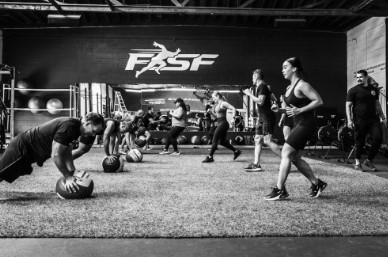
- “ The answer lies in the unique mix of motivation, expert guidance, and, yes, a stronger social life that group fitness brings to the table.
- This not only keeps things interesting but also helps prevent burnout and overuse injuries.
- All-in-one at-home systems like Gorilla Bow also help build confidence and improve your fitness without leaving your house.
- On average, this guy should be eating about 3000kcal per day in order to promote muscle growth.
- With that in mind, here’s some examples of health and fitness goals that are realistic.
By using the S.M.A.R.T criteria – Specific, Measurable, Achievable, Relevant, Time-bound – individuals can create a roadmap towards achieving their desired fitness outcomes. When starting a fitness journey, setting realistic goals is critical. Unrealistic expectations can lead to frustration and burnout, undermining your motivation and progress. Realistic goals, however, offer a clear path and manageable steps, making the journey enjoyable and successful. Realistic goals consider your current fitness level, available time, and lifestyle, ensuring you don’t overcommit and can integrate fitness into your daily routine.
5 Fitness Nutrition Myths a Dietitian Wants You to Stop Believing
What seemed realistic at the beginning of your fitness journey might change as you gain strength and confidence. As you become more fit, you might find yourself wanting to tackle new challenges, whether that’s trying a new sport, increasing your workout intensity, or even setting a new personal record. Embracing this evolution keeps your fitness routine fresh and exciting. As you assess your fitness level, it’s also vital to consider any health conditions or limitations you might have.
Block time off on your calendar—but keep it realistic.
Setting realistic fitness goals involves understanding your current level of fitness, considering any constraints or limitations, and setting achievable targets based on these factors. For example, if the goal is weight loss, experts generally recommend aiming for a gradual and sustainable loss of 1-2 pounds per week. This means that a weight loss goal of 10 pounds should ideally be achieved within 5-10 weeks. On the other hand, muscle building goals may require a longer timeline to allow for progressive overload and adequate recovery. For many individuals, weight loss is a common goal when it comes to improving their fitness.
How often should I set new fitness goals?
Over time, you’ll see tangible improvements that remind you how far you’ve come. Yes, you’ll experience muscle soreness – it’s a sign that your fitness progress has begun! The key is distinguishing between productive discomfort and potential injury.
Building Accountability That Actually Works
When you encounter more challenging tasks, remind yourself of the small things you have achieved so far and that you will achieve your larger goal with time. Learn how to achieve your fitness goals with these 11 effective tips for meeting objectives with patience and positivity. By focusing on one milestone at a time, you reduce the pressure of achieving your ultimate goal all at once, which can feel daunting.
📊 What to Track: Goal-Specific Metrics for 2026
When you have a specific goal in mind, you’re more likely to push yourself harder and stay committed to your workouts. Second, setting specific goals lets you track your progress and measure your success. By breaking down your larger goals into smaller, more manageable steps, you can see your progress over time, celebrate your successes, and adjust your plan as needed. Finally, setting specific goals can help you overcome common fitness challenges like lack of motivation or plateauing. When you have a clear goal, you can use it as a source of inspiration and motivation to keep pushing yourself. Setting realistic fitness goals is one of the most important steps toward achieving long-term success in your fitness journey.